Dota’s program is non-Governmental Organization established in 2025 based on experiences that Founder went through in providing care to bed ridden patients in different areas .She knew that individuals went through challenges without clear directions of support especially on medical ,psychosocial support ,Nursing and nutrition .Having no clear support in these aspects caregiver may find despaired no hope and lead to harm more the patient or client instead of bringing comfort and relief to them. and Blood pressure people who most of the time those who take care of abandoned due financial difficulties, poor attitudes and limited knowledge in addressing these situations.
The program currently undertake its activities in Arusha district council with the total number of 27 wards ; Namely Bangata, Bwawani , Ilboru , Ilkiding’a , Kimny.
Hence due the little she earns in her employment drives her to think how she can give back to marginalized group which aged people, long term illness, diabetics Kiranyi , Kisongo , Kiutu , Laroi , Lemanyata , Lengijave , Mateves , Mlangarini , Moivo , Musa , Mwandet , Nduruma , Oldonyosambu , Oldonyowass , Oljoro , Olmotonyi , Oloirien , Olturumet , Olturoto , Sambasha , Sokon II , Tarakwa.
However, due to financial budget Dota’s must operate in five (5) wards of Kiutu, sokon II, Ilboru, Kiranyi and Olturoto. Antiparinting to increase the working areas in year II of the project (2026)
The words mentioned above have the relevant clients due to different factors, among them poverty, culture, education on causes and measures against these diseases. Also rural to town movements for economic reasons which leave patients lonely without a caretaker, especially in families where the youth are forced to look after their parents/guardians
Long-term Results
OUTCOME 1: Improved professional health care conditions for bedridden patients in Arusha DC
OUTCOME2: Improved family capacity in provision of balanced diet and nutritional supplements to bedridden
OUTCOME3: Improved medical and equipment service for mobility to Bedridden people for social inclusion
OUTCOME 4: increased caretakers and patients’ resilience in coping with life hardship for their welfare
OUTCOME 5: Ensured community with positive attitudes and comfortability to Bedridden people
OUTCOME 6: Program documentation lesson /learnt and evidence for program sustainability
The program anticipates achieving the following objectives:
Program Implementation Plan – 2026
| Results | Indicators | Activities | Timeline (2026) | ||||||||
| Jan | Feb | Mar | Apr | May | Jun | Jul | Aug | Sep | |||
| Outcome 1: Improved professional healthcare conditions for bedridden patients in Arusha DC. Output 1.1: Promotion of nursing and personal care for bedridden patients within their families. | Number of patients treated Number of nursing care services provided | 1. Conduct nursing care sessions for bedridden patients. 2. Provide regular personal hygiene support. | |||||||||
| Outcome 2: Improved family capacity to provide balanced diets and nutritional supplements. Output 2.1: Capacity building for caregivers on nutritional support. | Number of families trained on balanced diets Improvement in patient health status | 1. Train caregivers on proper patient nutrition. 2. Provide nutritional supplements to families. | |||||||||
| Outcome 3: Improved access to medical equipment and mobility services for social inclusion. Output 3.1: Provision of mobility-support equipment and supplies. | Number of assistive devices provided Number of patients participating in social activities | 1. Provide wheelchairs and standing frames. 2. Conduct daily physical exercises to improve patient strength. | |||||||||
| Outcome 4: Increased resilience among caregivers and patients. Output 4.1: Provision of psychosocial support knowledge. | Number of caregivers trained in PSS Number of patients receiving PSS | 1. Conduct psychosocial support sessions for caregivers, patients, and community health workers. | |||||||||
| Outcome 5: Improved community attitudes and comfort towards bedridden individuals. Output 5.1: Promotion of comfort care and hope towards end-of-life. | Number of patients achieving improved comfort | 1. Develop family-centered action plans including guidance and counseling. | |||||||||
| Outcome 6: Strengthened program sustainability through documentation and learning. | Number of reports submitted | Monitoring, evaluation, and documentation activities. | |||||||||
Note: The above objectives and outcomes are derived from the organization’s core focus areas:
Total Population of the Five Wards (Census 2022):
| S/N | Ward | Population |
| 1 | Kutu | 22,874 |
| 2 | Kiranyi | 40,158 |
| 3 | Ilboru | 9,367 |
| 4 | Sokon II | 20,212 |
| 5 | Olturoto | 18,899 |
OUTCOME 1: Strengthened professional and home-based nursing care for bedridden patients
Output 1:
Improved delivery of nursing and personal care services to bedridden patients.
Allocated Activities:
OUTCOME 2: Improved household capacity to provide balanced nutrition for bedridden patients
Output 2:
Caretakers’ skills and access to nutritional support are strengthened.
Allocated Activities:
OUTCOME 3: Increased access to mobility aids and essential medical equipment
Output 3:
Bedridden patients benefit from mobility tools and medical equipment.
Allocated Activities:
OUTCOME 4: Enhanced resilience and psychosocial well-being of patients and caretakers
Output 4:
Caretakers and patients acquire coping skills and psychosocial support.
Allocated Activities:
OUTCOME 5: Improved community attitudes and increased hope and comfort for bedridden people
Output 5:
Communities demonstrate inclusive and compassionate attitudes toward bedridden individuals.
Allocated Activities:
OUTCOME 6: Strengthened and diversified fundraising systems for long-term program sustainability
Output 6:
Reliable and diversified fundraising mechanisms established and maintained.
Allocated Activities:
Due to budget deficit to recruit staff Dota’s in Partnership with District social welfare department uses Community health workers, who are voluntarily working and paid just transport allowances every month after submission of reports of their daily monitoring activities to the coordinator (in our database about 10 CHWs are currently working with Dota’s program reaching 45 clients)
PROGRESSIVE REPORT
The management holds monthly meetings with all stakeholders to discuss the project’s progress and provide feedback on the sustainability of the project
Hear from our satisfied clients and their families about the positive impact DOTA'S Care has made in their lives
The team at DOTA's Care has made a huge difference in our lives. Their affordable and attentive service has given us peace of mind while caring for my bedridden brother. Their caregivers treat him with dignity and respect, which means everything to us. Thank you, DOTA's Care!
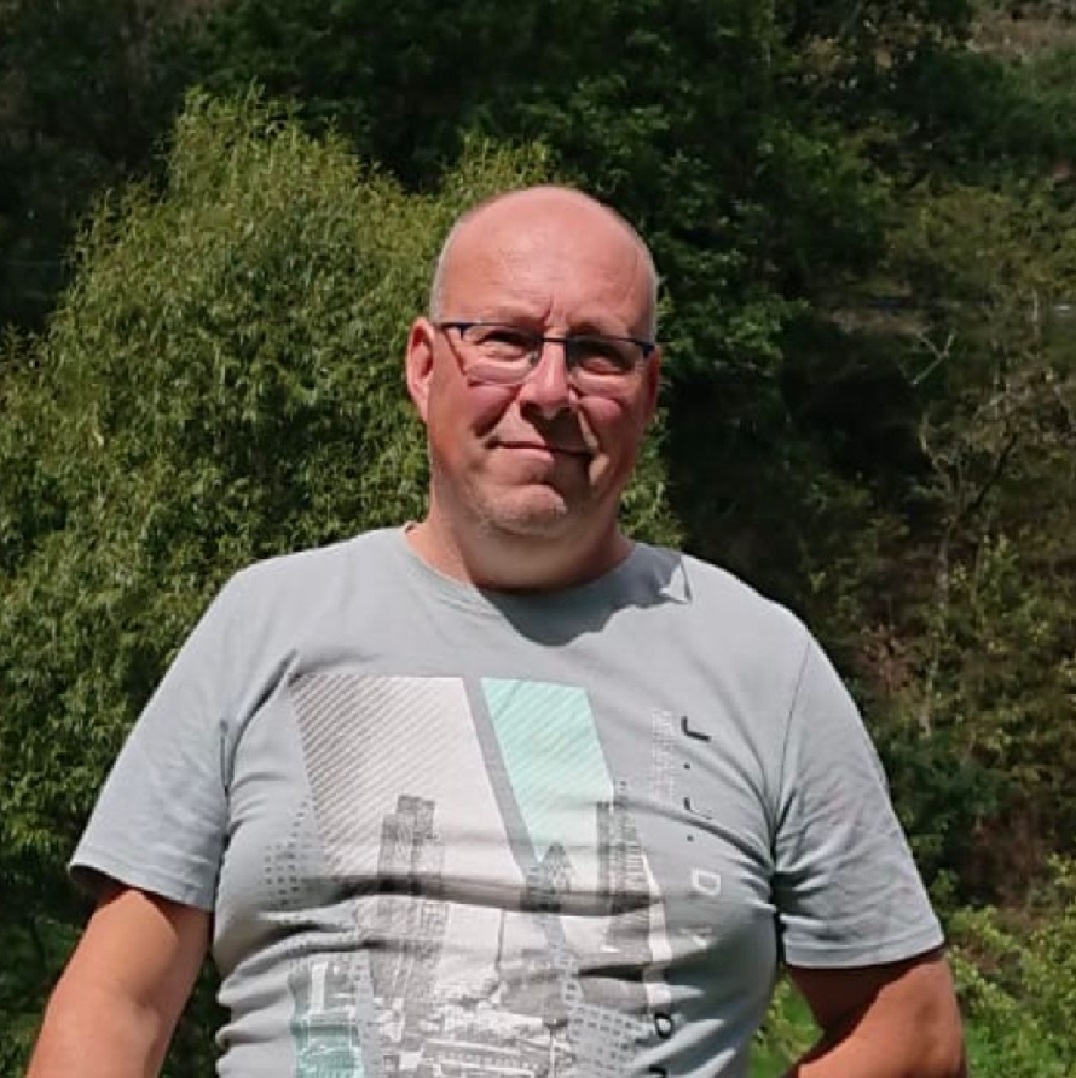
My girlfriend and I traveled to Tanzania with plans to climb Mount Kilimanjaro, but she experienced complications that made it difficult for her to walk. Dotascare took full responsibility for her care while I was on the mountain, and they provided excellent support until we returned to the Netherlands for further medical treatment. We are both very grateful for their services during our time in Tanzania
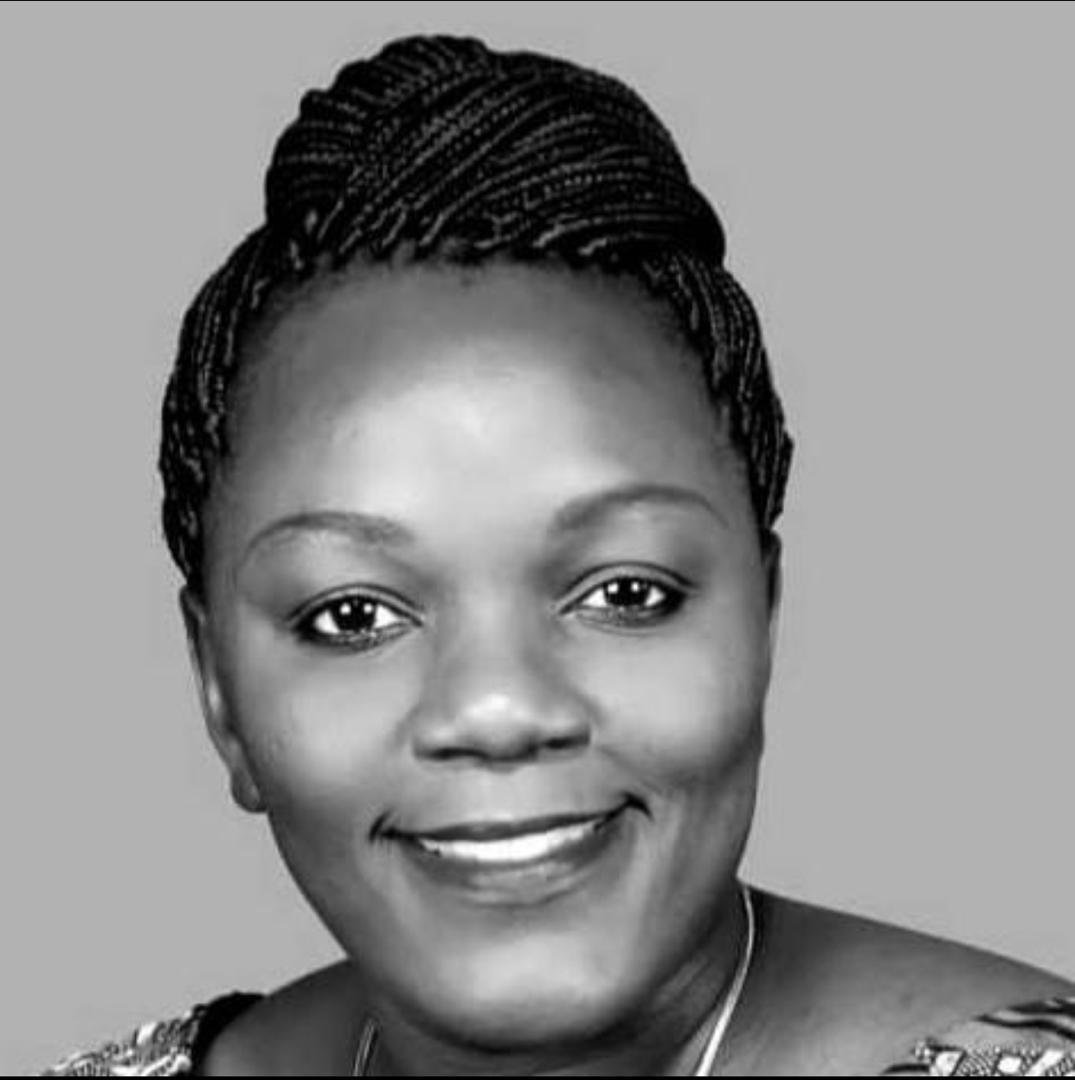
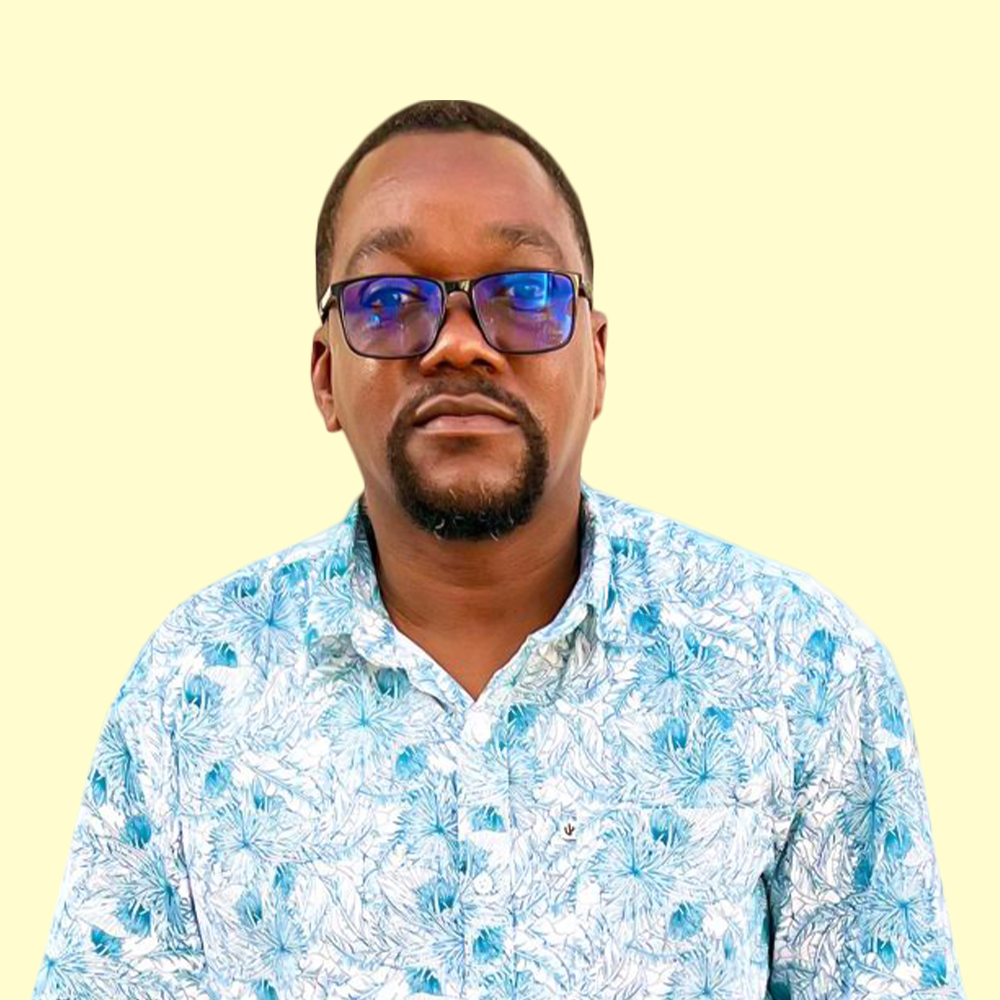
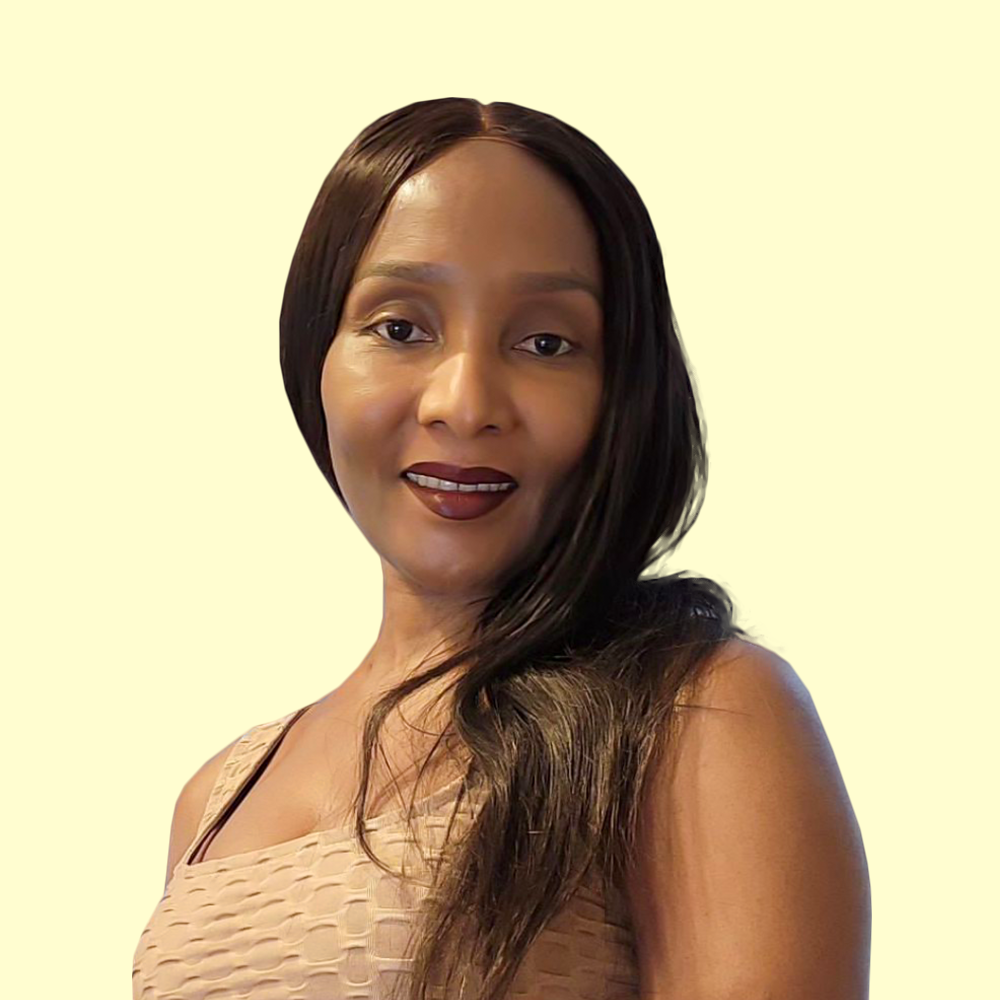
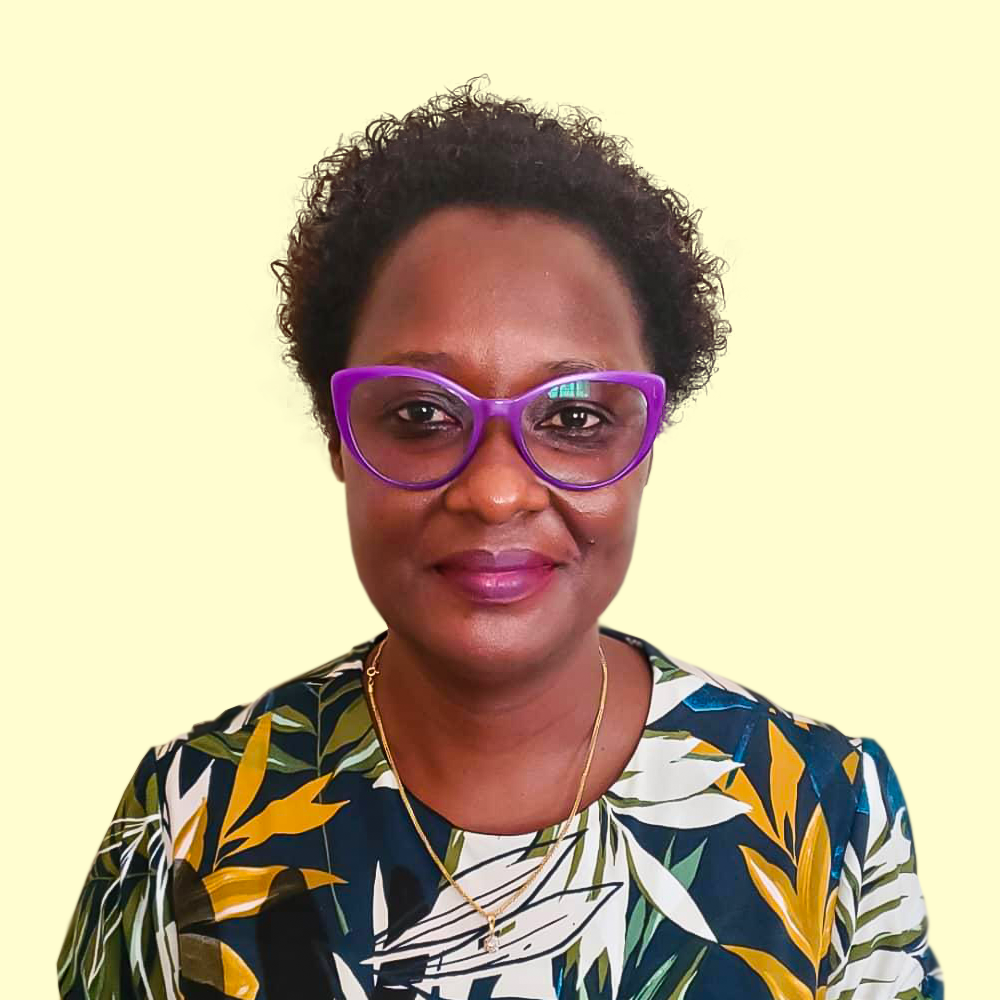
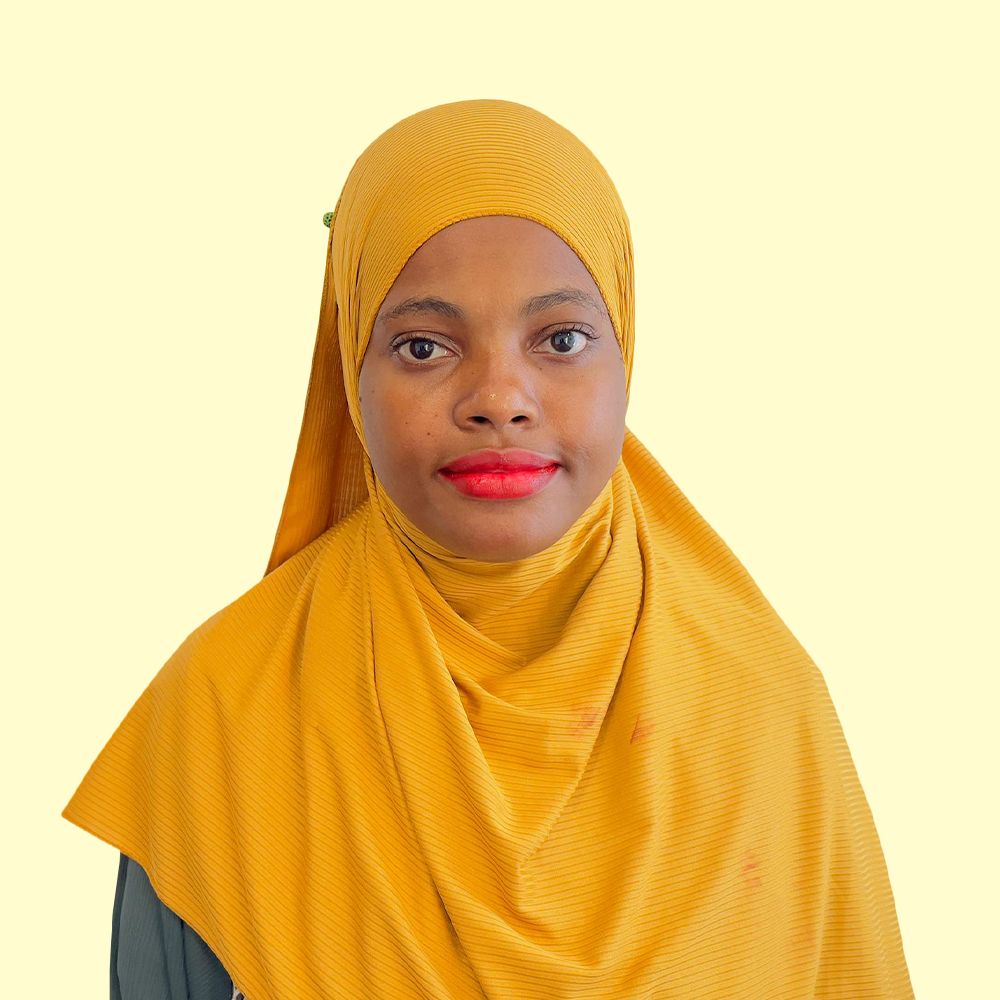
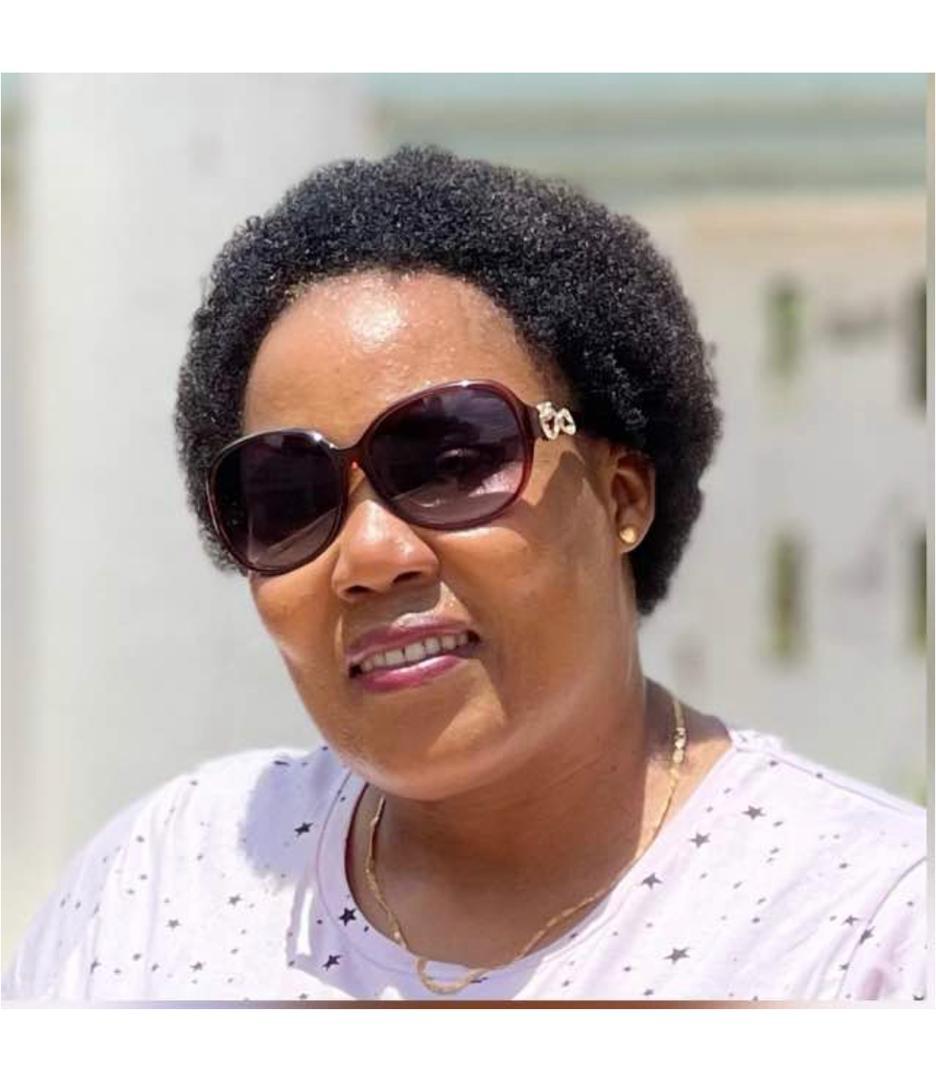
Our leadership team at Dotas Care drives the vision, strategy, and operations of the organization. They ensure effective management, guide our staff, and uphold our commitment to compassionate, high-quality care.
Behaviour Change Communication Officer
Volunteers Coordinator
Office Manager
Clinical Officer
Designer
Nurse in charge
DOTA’S Care is a non-medical home-based care service project based in Dar es Salaam, Tanzania. Established with a vision inspired by personal experience, DOTA’S Care aims to extend vital support to families navigating similar circumstances.
Msasani Tower Dar Es Salaam, Tanzania
Copyright © 2025 Dota’s care. Powered by Dotas’s care